Depression and Lifting

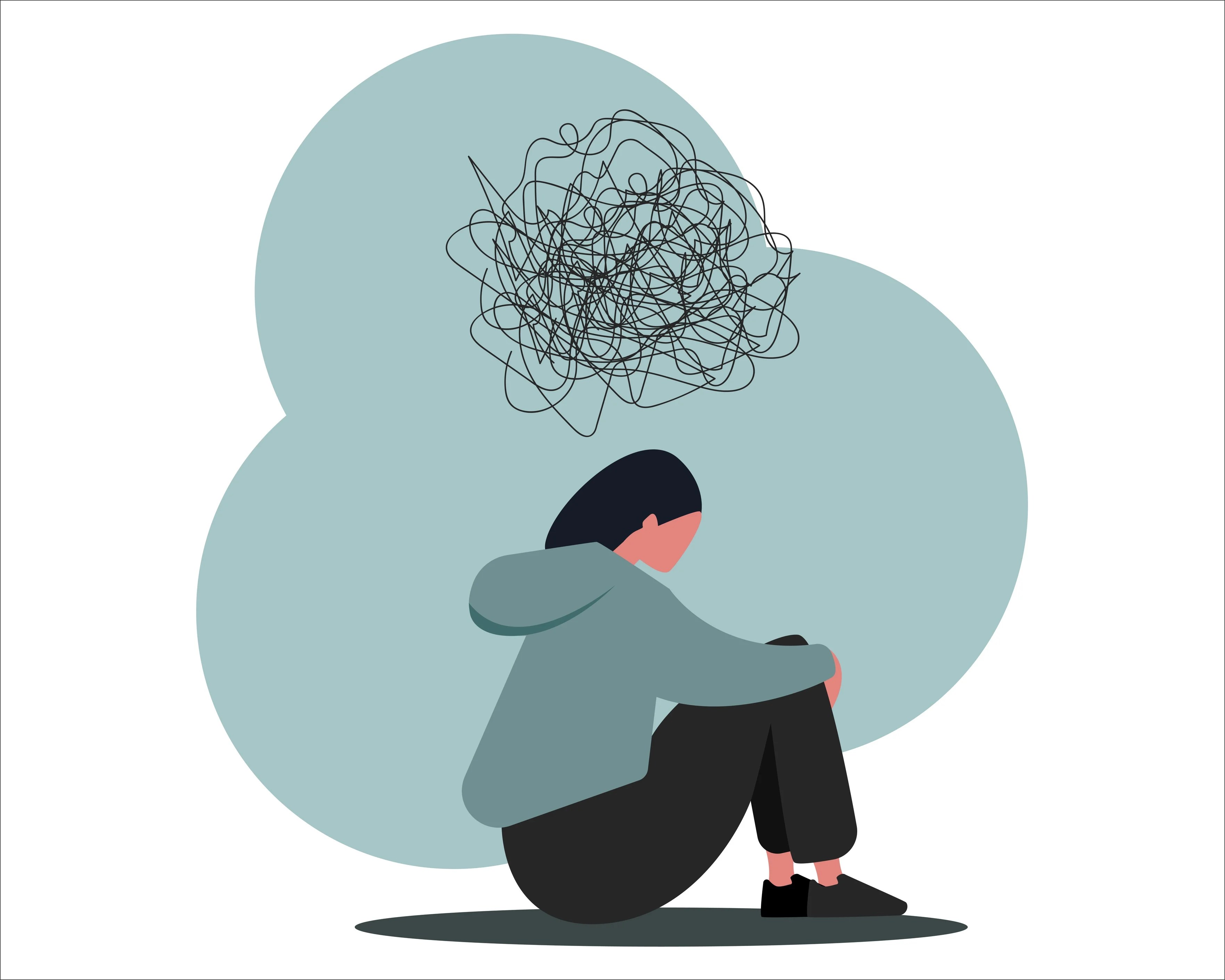
For many, the struggle is real with depression and the desire to be healthy and workout. How do you balance the two? This is something I am still working on. I have borderline personality disorder and bipolar. For about a year now I’ve been doing well. However, one of my therapists just told me she was leaving the clinic for another area of the VA. This was a bomb. I don’t do well when I have to change providers, let alone a therapist. It takes me months to open up to someone and if the vibe isn’t there, therapy is useless.

Because of this news, I haven’t trained in 3 days. I turned to alcohol for a couple days as my only coping method. I know this isn’t productive but I’m still trying to process the news. So, how do we move past it?

We start by just doing. My diet thankfully has stayed healthy as I don’t have junk food in my house, so that was a win. I need to put the alcohol down. I know when I drink I don’t feel like working out the next day. So we start by spreading out when we drink. If we can’t do that, we drink LESS than the day before.

Movement of any kind will help. Whether it’s a walk, a run, pacing your house. Just get up and move. Tomorrow my plan is to set my alarms for 7am. Get up, drink the pre workout and MOVE. Monday I have to work, and can’t allow this news to affect my daily routine. Whether I like it or not, she is leaving and I will have a new therapist in a few weeks. Unfortunately the uncertainty of not knowing who will take over it what bothers me a lot. Can I trust this person? Will they have as much compassion as my last therapist? This all remains to be seen. Until then, I can only do what I know how to do:

Walk the dogs. Get outside. Maintain a healthy diet. Lift weights.

Do you struggle with depression and the desire to be healthy? what works for you? let us know in the comments, we’d love to hear from you!

CBD Oil and Sleep

sleep

Initial research shows that CBD, which doesn’t get you high, can be useful in the treatment of a number of conditions, including:

  • anxiety
  • depression
  • chronic pain
  • inflammation
  • skin conditions, such as eczema
  • some seizure disorders

Good news for you: It can also improve sleep. CBD taken at least an hour before bed can improve insomnia and promote a restful night’s sleep.

CBD is helpful for sleep because it can alleviate conditions that complicate sleep. Namely, anxiety, stress, and pain. Calming your central nervous system can have a relaxing effect, helping you let go of stress and anxiety, and even calming painful inflammation from conditions such as arthritis or low back pain.

Using CBD may be helpful for improving sleep directly, even if you don’t suffer from anxiety, stress, or chronic pain. CBD is believed to interact with receptors in the body, including receptors that govern your body’s sleep and wake cycle.

Sleep medication can have interactions, may not be effective, and frequently comes with side effects. Additionally, you may be limited in how much you can use sleep medications, as they can be habit forming. But research suggests CBD comes with few side effects, such as fatigue, diarrhea, and changes in appetite. If you’re struggling to sleep and considering sleep medication, CBD could be a low risk alternative to try out first.

Tips for Using CBD as a Sleep Aid

With these tips, you can use CBD more effectively to support healthy sleep.

Use CBD as a supplement to healthy sleep habits. CBD can be a tool for good sleep, but it shouldn’t be a crutch. Make sure you’re practicing good sleep habits, such as shutting down screen time at least an hour before bed, avoiding caffeine in the evening, and maintaining a regular sleep schedule and bedtime routine. An overall healthy lifestyle with physical activity and good diet can be helpful for sleep as well.

Don’t overdo it. While a too small dose might not be effective, using CBD could prove to be too much of a commitment if you regularly take a large dose for sleep. Try a dose of about 25 to 30 mg and increase as needed.

Plan your delivery method. Edibles and oils can offer sustained delivery of CBD that might help you stay asleep later into the night. But vaping could offer faster relief, even if it wears off more quickly. Consider your needs and whether you need help falling asleep, or staying asleep, when choosing which way to consume CBD as a sleep aid.

Only use CBD when you need it. CBD isn’t a recreational drug and doesn’t offer the psychoactive effects of THC. Though it’s low risk, it’s possible to do too much. Though you might not worry much about overdosing on CBD, you should be concerned about lowering its effectiveness over time. The Kaiser Permanente study suggests that CBD’s effectiveness as a sleep aid could drop off after about a month of regular use. So using it only when needed could ensure that it delivers consistently.

CBD can be a good choice for sleep, particularly if you struggle with anxiety, stress, or pain at night. Use it carefully to improve your sleep and feel more rested each day.

Interested in trying CBD? Visit this link and use code CBDCENA

Add CBD to your workout recovery regimen

untitled

If you are looking to further your workout recovery, relieve soreness and perform better, consider supplementing with CBD products.

CBD

While CBD oil and THC come from the same plant, the two are very different compounds. THC is the most popular and reactive compound found in the hemp plant, but CBD has been found to have the most varied uses and benefits while not getting you high.

The medical benefits of CBD have been proven to cause significant change to the body. Some of these benefits include:

1. Muscle Growth

Growing muscle is one of the most challenging tasks of a bodybuilder and fitness conscious person. To make it even more challenging, we have catabolic hormones in our bodies that break muscle mass down. In order to reverse that issue, you would need to take anti-catabolic supplements.

CBD supplements help accomplish the mass gains you desire by lowering the number of catabolic hormones in the body. With lower catabolic hormones, your body will not be able to break down muscle mass as quickly, allowing you to increase muscle mass.

2. Weight Loss

Whereas THC may give you the munchies, CBD regulates your blood sugar levels. With regulated levels, there are less fat-storing hormones produced by the pancreas in your body resulting in less fat being stored. Since more fat is available to be burned off as energy, there will be fewer fat cells in your body.

CBD also regulates cortisol levels. If your cortisol levels are too high or too low, unpleasant symptoms like weight gain can occur. Regulated levels help lower peaks in cortisol at appropriate times. Together, the regulated levels can help you lose weight safely and appropriately.

3. Anti-Inflammation

After an intense day of training, sore muscles and joints are common. To combat these ailments, you might mask the pain with an over-the-counter anti-inflammatory or pain-relieving medicine.

CBD is a natural supplement and can offer some relief without damaging your liver. This is caused by the receptors in your brain interacting with CBD and the immune system. The receptors are tiny proteins attached to your cells that receive chemical signals and your cells respond, creating anti-inflammatory and painkilling effects.

4. Improved Sleep

Getting a good night’s sleep is one of the keys to muscle recovery. Without proper rest, your body can’t burn off energy or help build muscle the right way. CBD has shown to improve sleep patterns, sleep soundly, and for longer periods of time without the addictive effects of sleep medication.

Anxiety is the number one reason people are unable to get to sleep. CBD has also shown that it can be very effective in helping a person deal with anxiety by regulating your own natural chemicals.

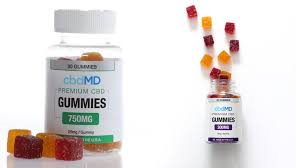
Thinking about trying CBD to supplement your fitness goals? Go visit CBDMD and use code CBDCENA to get 15% off your order!!


Anger and Dissociation

What is Dissociation?

dissociation

Dissociation is a difficult thing to explain. It’s a defense mechanism that is developed as a child due to trauma. The child typically attempts to remove themselves consciously from the abuse so they don’t have to deal with the pain and the suffering. Unfortunately this can turn into a coping skill and be used well into adulthood. When the adult encounters stress or situations that remind them of their trauma, they can become distant, more distracted than usual. They may seem less animated, withdrawn, and may even have a difficult time making eye contact with those around them. Those who dissociate frequently, can do it well. They learn how to blend in, go to work, school, come home, all while dissociating. Dissociation can also feel like an out of body experience. It can feel like you are watching yourself as if it were a movie playing out in front of you. It can happen to each person differently, and to explain it to someone who has never experienced it is one of the most difficult things to do.

For me, it can happen briefly, or for days. In therapy, my therapist has caught me dissociating a lot lately. Usually she will call me out of it, or I’ll catch myself drifting and I’ll pull myself right back out. But she’s good enough to know I already drifted and she will ask where I went. The struggle is to tell her. Usually when I dissociate in a session, I’ve gone back to some form of trauma in my past. Clearly it’s because thats what we are talking about. Dredging up all those emotions is difficult, and I tend to shut down when talking about the really deep stuff.

This past week though, I think I’ve been in a dissociative state all week. It started on Monday and carried through so far into this weekend. Monday I felt pretty socially withdrawn. I didn’t want to talk to anybody, even at work. This is difficult because I work in HR. Even in therapy I didn’t want to talk about anything. This week we talked about some really sensitive topics, mostly about my sexual assault and rape, child abuse, and wanting to talk publicly about everything that has happened. This kept me in a withdrawn state the rest of the week. Thankfully my husband is one of the most understanding, patient people I know and is completely ok with just sitting quietly on the couch with me after work. My therapist has been concerned that my medication could be a factor and we have to monitor me closely to make sure no suicidal thoughts or self harm thoughts try to relapse themselves back into the picture. My appointment with the psychiatrist at the VA isn’t until June but we may need to bump that up as they aren’t aware of my new found Borderline diagnosis yet.

I think dissociating will be one of the most difficult coping skills to move past. It has proven effective for me over 30+ years. Its one of the most unhealthy coping skills yet I find the most comfort in it. Eventually I’ll work with my therapist on how to not dissociate so much and I think this Wednesday I can tell her that’s what’s been happening all week. What’ll come of that, I’m not sure, but I trust her, and that’s really all that matters.


When Passion is a Virtue

me

The label of Borderline Personality Disorder can lead to all sorts of misconceptions. I touched on this a little bit in my last post but today I’m struggling a little bit with this one. Most people have this belief that those who are diagnosed with BPD are hateful, manipulative, always looking for attention. They think we are filled with drama and many of our actions are done on purpose to hurt those around us. This simply isn’t the case. Individuals with BPD tend to feel everything, all at once. To explain to someone what it is like to be able to feel immense love and intense hate at the same time is next to impossible.

And yet there are so many positive traits to BPD that people fail to see:

We are resilient. If you know someone with BPD, you can bet they’ve been through the wringer, battling things like drug and alcohol addictions, self-injury, thoughts of suicide, and eating disorders. In addition, the majority of us are also trauma survivors. If non-borderline people were given a day to walk in our shoes and feel the emotions, thoughts, and urges we experience on a daily basis, we’d soon be regarded as warriors. Living with BPD is a full-time job. If you consider how much borderlines accomplish on top of managing their symptoms, you would see that our survival is nothing short of miraculous on most days.

We are empathetic. The internal and external turmoil borderlines face leaves us poised to empathize with those in similar situations. Once we learn effective coping skills, we can pass them on and advise those who remain stuck in the muck of the disorder, or simply offer advise to those around us who may be struggling with their own demons.

We are creative. High emotional intensity needs a release. Once borderlines learn to manage their emotions, they’re able to channel their intensity into creative endeavors.

We are intuitive. Borderlines notoriously pick up on other people’s emotional states quickly and, often, inadvertently. This tendency is generally learned in childhood when sensitivity is coupled with an unpredictable environment. Our intuitive natures may overwhelm us, but should be regarded as a gift. We’re more aware of people in distress and can treat them accordingly instead of accidently bulldozing over their pain.

We are passionate and loyal. Getting on an unskilled borderline’s bad side can cause a world of problems, but when someone with BPD loves you, they love you deeply. Yes, many of us struggle with attachment and fears of abandonment, but these are ultimately unskilled manifestations of our love. On our good days, we are lively, funny, and intelligent. The more skilled we become, the more these qualities tend to dominate our personalities.

The media paints a terrible picture of those with BPD and the stigma has stuck for decades. Only by spreading awareness and not being afraid to talk about borderline personality disorder will we shed the stigma, and open up the eyes of those around us to what the disorder truly means, which is simply emotional dysregulation due to trauma experienced as early as childhood coupled with poor coping skills due to this trauma.

This is all I got for now. I have therapy in two days so hopefully more will come to me because as of right now, I really don’t feel like talking this week.

When Life is Your Obstacle

jung

I originally set out for this blog to be about fitness and working out. However, I’ve felt the need to recently expand it as a way to journal or just bring awareness to some issues that don’t normally get brought up as often. I don’t even know how many people actually read this blog, but I guess if it even reaches one person and has a positive affect on them then I accomplished what I set out to do. For those just joining, I am a retired Coast Guard veteran. I was hurt almost 4 years ago and was medically retired. I have since been going to counseling through the VA for PTSD for about 9 months now. My therapist is amazing and has helped me realize more about myself than I expected. However, the VA also helped me realize some things about myself that some days I wish I didn’t know.

Recently I had an appointed to work on my disability claim for PTSD. My PTSD isn’t combat related, instead it’s for MST, or military sexual trauma. I’m not ready to come out with the details just yet, that’s later to come. What I will tell you is it happened in the short lived first marriage I had by my ex husband. The military didn’t recognize marital rape back then and honestly, I don’t think they recognize it now either, but that’s for another post. What happened two weeks ago at this appointment is that I was told that the Coast Guard diagnosed me with Borderline Personality Disorder 7 years ago, and NEVER told me! It’s interesting how much a label can change  your perspective on things. Until that day, I thought nothing of my behaviors, my past relationships with friends, family, my anger, my thoughts, my moods. Then I was labeled. My head was spinning. I have a Master’s degree in psychology, I know what Borderline Personality Disorder is and I know just how big of a diagnosis that is. Was this really me? Did they get this right? Psychologists just don’t go handing out this diagnosis all willy nilly to people. It takes some serious thought and testing. When I got home that day I pulled out my copy of the DSM-V, the Diagnostic and Statistic Manual version Five and had to see for myself. The National Institute of Mental Health defines Borderline Personality Disorder as:

“a serious mental disorder marked by a pattern of ongoing instability in moods, behavior, self-image, and functioning. These experiences often result in impulsive actions and unstable relationships. A person with BPD may experience intense episodes of anger, depression, and anxiety that may last from only a few hours to days.”

To meet the criteria according to the DSM, one has to have 5 of the 9 traits:

  • A pattern of intense and unstable relationships with family, friends, and loved ones, often swinging from extreme closeness and love (idealization) to extreme dislike or anger (devaluation)
  • Frantic efforts to avoid real or imagined abandonment
  • Distorted and unstable self-image or sense of self
  • Impulsive and often dangerous behaviors, such as spending sprees, unsafe sex, substance abuse, reckless driving, and binge eating
  • Recurring suicidal behaviors or threats or self-harming behavior, such as cutting
  • Intense and highly changeable moods, with each episode lasting from a few hours to a few days
  • Chronic feelings of emptiness
  • Inappropriate, intense anger or problems controlling anger
  • Having stress-related paranoid thoughts
  • Having severe dissociative symptoms, such as feeling cut off from oneself, observing oneself from outside the body, or losing touch with reality

I have 8 of the 9…

My husband and I did the only thing we knew how to do and made jokes about this. Now, this isn’t to say we are making fun of people with BPD because that is the farthest thing from the truth. We are stroke and cancer survivors, we’ve had our share of unfortunate circumstances. We use humor to get through some of the most dark times in our lives, this being no different. I think he realized that this diagnosis could account for MUCH of my behavior and a lot of our arguments over the years. Now we both have a level of understanding.

My therapist told me that BPD starts because of things that happen in your childhood, or it can be genetic. Mine is from the first. Again, that is for a later post, as it is still difficult to talk about in therapy, let alone publish it for the world and Facebook to read.

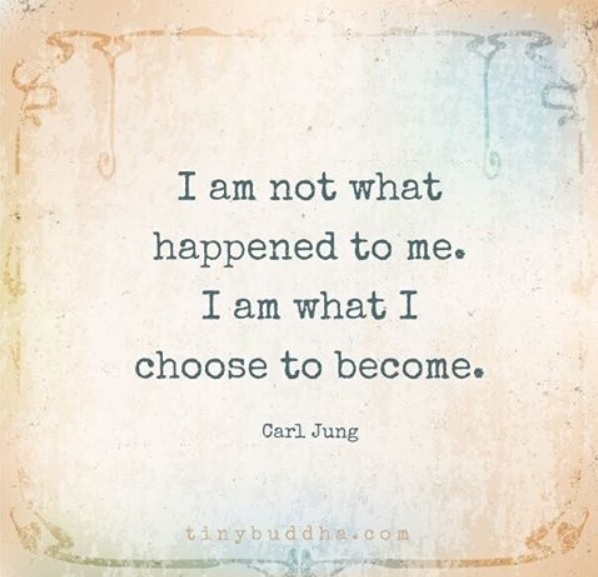
What I can say if you’re still reading this, is that labels don’t define who you are. I’m still working on this. Labels are a hard thing to overcome and we tend to live up to our own labels in addition to the ones that society throws at us. Just remember that what happened to you in your past never defines who YOU are. YOU choose who you become. You decide what happens to you moving forward. That’s all I got for now. Hopefully I stick with this and it doesn’t become another borderline trait of drastic excitement followed by absolute boredom!